


Imagine a hidden world inside you. It’s packed with trillions of microorganisms. These tiny creatures influence your digestion, immunity, metabolism, and mood. That world isn’t an imagination. It’s called your gut microbiome. And it plays a far greater role in your health than you may realise.
Your gut has a mix of bacteria, fungi, and other microbes. This mix is essential for your well-being. When this microbial ecosystem goes out of balance, it can cause many problems. You might experience bloating and fatigue. Over time, it can cause serious health problems. These include autoimmune disorders and mental health issues. The good news is that you’re in control. You can nurture your microbiome and protect your gut health with good habits and choices. This helps restore balance and improves your well-being.
Do you know where your microbiome comes from?
Our initial microbial communities come from our mothers at birth. But others in a baby’s life (like family, caregivers, and friends) also shape the child’s microbiome. Their role likely depends on how much time they spend with the infant.
Your microbiome starts forming at birth. Babies born vaginally get bacteria from their mother’s vagina and gut. This helps them start building a diverse microbiome. Those born via C-section tend to develop a microbiome that more closely reflects skin bacteria at first.
Here’s the reassuring part: however you gave birth, that early starting point isn’t the whole story. Breastfeeding, diet, and daily habits shape the microbiome well beyond day one. So, don’t feel guilty about how your baby arrived.
As we grow, our microbiome keeps changing due to many factors. These include diet, antibiotic use, and environmental exposure. Playing in dirt, interacting with pets, and eating a varied diet of whole, unprocessed foods all boost microbial diversity. Over time, this ecosystem evolves in response to our habits, health, and surroundings.
Why your gut microbiome matters
Your gut microbiome is more than just a digestive aid—it’s essential to nearly every aspect of your health. A well-balanced microbiome:
- Enhances digestion by breaking down food and improving nutrient absorption.
- Boosts immunity by preventing harmful bacteria from taking over.
- Regulates metabolism, influencing weight and energy balance.
- Supports mood and brain function via the gut-brain axis.
- Plays a role in hormonal balance, affecting stress response and appetite.
- Contributes to skin health, helping manage conditions like acne and eczema.
An imbalanced microbiome, or dysbiosis, can cause several problems. It may lead to digestive issues, chronic inflammation, and autoimmune conditions. Also, it can contribute to mental health struggles such as anxiety and depression. Supporting a healthy microbiome may benefit health, though research is still developing.
How to feed your microbiome: what you should eat
Prioritise fibre-rich foods
Fibre feeds good gut bacteria. This helps them make compounds that keep the gut lining strong and lower inflammation. Some of the best fibre sources include:
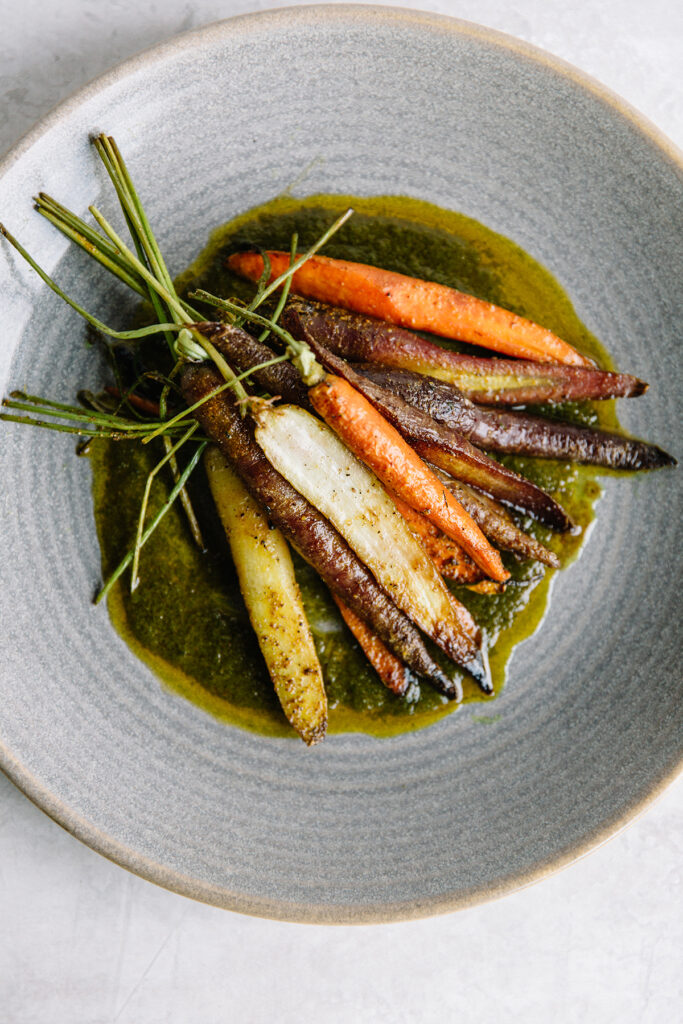
- Vegetables: Leafy greens, carrots, broccoli, onions, artichokes, asparagus
- Fruits: Berries, apples, bananas, kiwis
- Whole Grains: Oats, quinoa, brown rice, barley
- Legumes: Lentils, beans, chickpeas, peas
- Nuts and Seeds: Almonds, flaxseeds, chia seeds
Soluble fibre comes from foods like oats and beans. It feeds good bacteria and makes short-chain fatty acids (SCFAs). These are vital for gut health and overall well-being.
Incorporate fermented foods
Fermented foods contain probiotics (live bacteria that replenish your microbiome). Try:
- Yoghurt (with live cultures)
- Kefir
- Sauerkraut
- Kimchi
- Miso
- Tempeh
- Kombucha
Diversify your diet
A varied diet fosters a diverse microbiome. Change your sources of fibre, protein, and healthy fats often. Different bacteria love different nutrients. Traditional diets with whole, unprocessed foods usually promote better gut health. In contrast, highly processed Western diets can harm gut health.
Reduce processed and sugary Foods
Ultra-processed foods, artificial sweeteners, and too much sugar can help harmful bacteria grow. Minimize:
- Refined sugars and sodas
- Processed snacks and fast food
- Artificial sweeteners like aspartame and sucralose
- Excessive alcohol consumption, which can disrupt gut bacteria diversity

Lifestyle changes you need to do
Manage stress
I’m not telling you to live with no stress- in fact, cortisol is essential for our survival! But chronic stress alters gut bacteria, leading to digestive discomfort and inflammation. To support your gut-brain connection:
- Practice mindfulness or meditation
- Engage in regular physical activity
- Prioritise quality sleep (7-9 hours per night)
- Try deep breathing exercises
- Spend time in nature, as exposure to diverse environmental microbes benefits gut healthalth
Stay active
Regular movement supports gut bacteria diversity and metabolic health. Exercise has been linked to increased beneficial bacteria, so aim for at least 30 minutes of moderate exercise most days of the week.
Hydrate well
Did you know? Water aids digestion and helps fibre move through your system efficiently. Herbal teas like ginger or chamomile can also support gut health.
Use antibiotics wisely
Antibiotics can wipe out beneficial bacteria along with harmful ones. If you must take them:
- Follow up with probiotic-rich foods
- Eat prebiotic foods (fibre that feeds good bacteria)
- Avoid unnecessary antibiotic use
Prioritise sleep
Lack of sleep disrupts gut microbiome balance, increases inflammation, and affects digestion. Maintain a consistent sleep schedule and limit screen time before bed to promote restorative sleep.
What to know about prebiotics, probiotics, and postbiotics
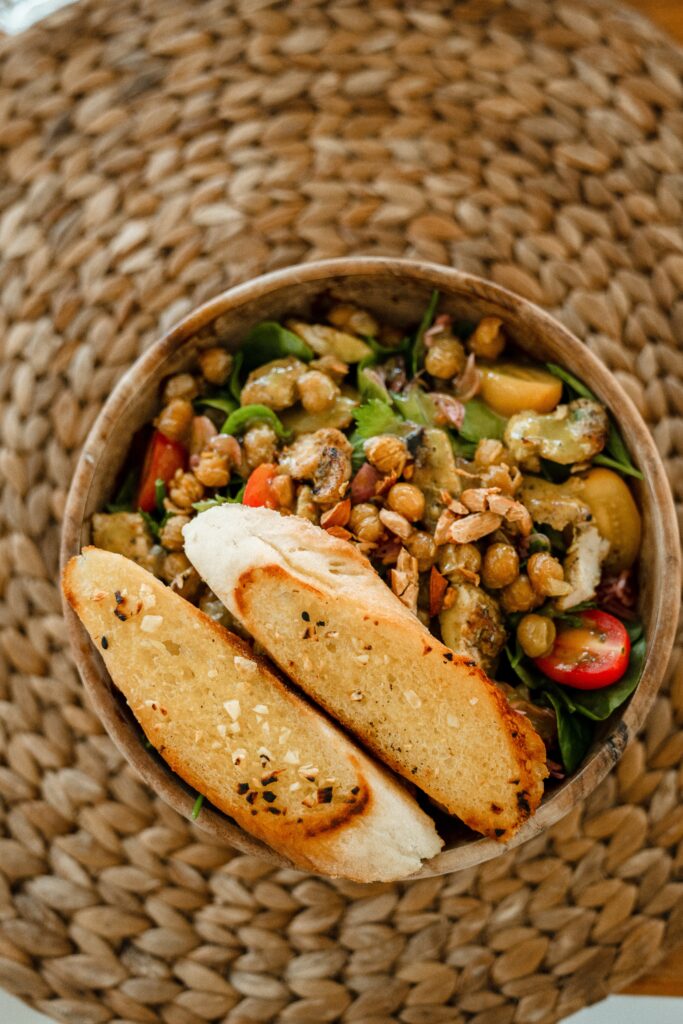
Probiotics
Probiotics are beneficial bacteria found in fermented foods and supplements. They help replenish and support gut health. Look for strains like Lactobacillus and Bifidobacterium, which have been shown to improve digestion, boost immunity, and even support mental well-being.
Prebiotics
Prebiotics are fibers that feed good bacteria. You’ll find them in:
- Garlic
- Onions
- Leeks
- Asparagus
- Bananas
- Chicory root
- Dandelion greens
Postbiotics: The new gut health frontier?
Postbiotics are helpful compounds made by microorganisms. They can be released or produced during these microbes’ metabolic processes. These compounds provide health benefits to the host, both directly and indirectly. Since postbiotics don’t contain living microorganisms, they present fewer risks when consumed. These compounds, like SCFAs, can help gut lining health. They also regulate inflammation and boost immune function. Eating a fibre-rich diet and incorporating fermented foods can help your body produce more postbiotics naturally.
What’s trending in gut health this year?
Gut health research is changing fast. New findings show how important certain foods and habits are. Here’s what’s in for optimal gut health this year:
- Prebiotic-rich plants: Adaptogenic mushrooms (reishi, turkey tail), burdock, dandelion, turmeric.
- Herbal medicine: Marshmallow root, liquorice root, and slippery elm help soothe and rebuild the gut lining.
- Nourishing broths: Bone, mushroom, and/or seaweed broths packed with gut-healing nutrients.
- Algae: Spirulina, chlorella, nori, and bladderwrack support detox and prebiotic nourishment.
- Polyphenol-rich foods: Berries, cacao, matcha, and chanca piedra fuel beneficial gut microbes.
Small changes, big impact
Your gut microbiome plays a vital role in your overall well-being, from digestion to mental clarity to immune resilience. By making small, intentional changes (eating fibre-rich foods, incorporating fermented options, managing stress, prioritising sleep, and staying active), you can build a stronger, more resilient gut.
Start with one or two changes today and notice the difference in how you feel! Over time, these habits will lay the foundation for long-term health and vitality.
Want support putting this into practice? Come join us inside The Circle, where we go deeper into gut health, hormones, and the habits that actually stick. It’s free to join.
Tap here to download the app
Editor’s note: The information in this article, as well as all content produced and shared by Ivy Chan Wellness, including programs, memberships, and downloadables, are provided for informational and educational purposes only. They are not a substitute for professional medical advice, diagnosis, or treatment.








Comments +