

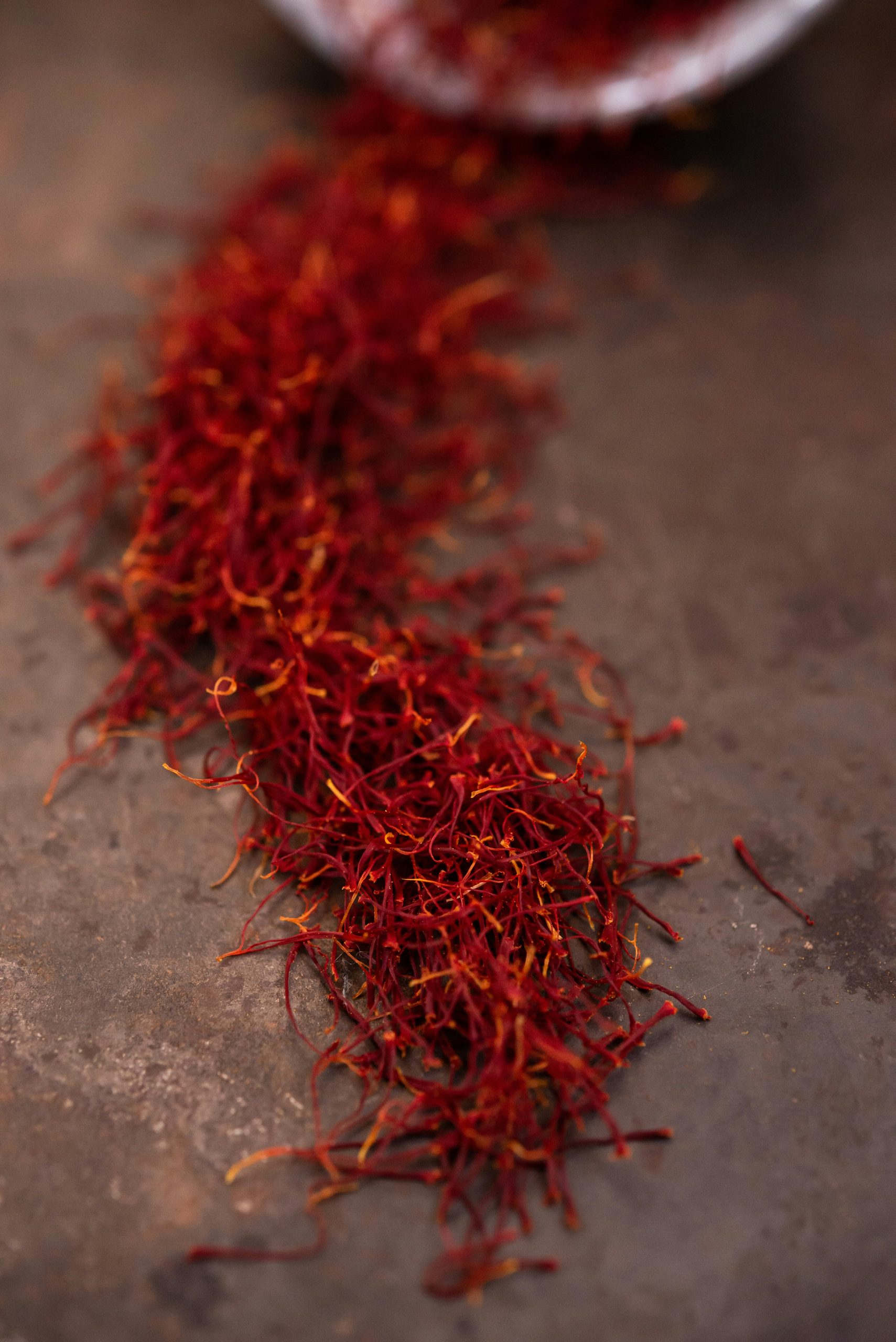

The benefits of saffron have been prized for thousands of years, and modern science is finally catching up. Saffron is nicknamed “red gold” because, gram for gram, it is one of the most expensive spices on earth. What’s drawing researchers to it now is something else: a growing body of clinical trials on mood, memory, ADHD and hormone health.
In this guide, I’ll walk you through what the studies actually show, where the evidence is still thin, how much saffron was used in the research, and who should avoid it.
Why is saffron so precious?
You may have seen in my recent Instagram stories that I’ve been excited to share about the health benefits of saffron. The response from our community has been overwhelming, with many of you asking for more details. That’s why I’ve decided to dive deeper into this fascinating topic in this blog post.
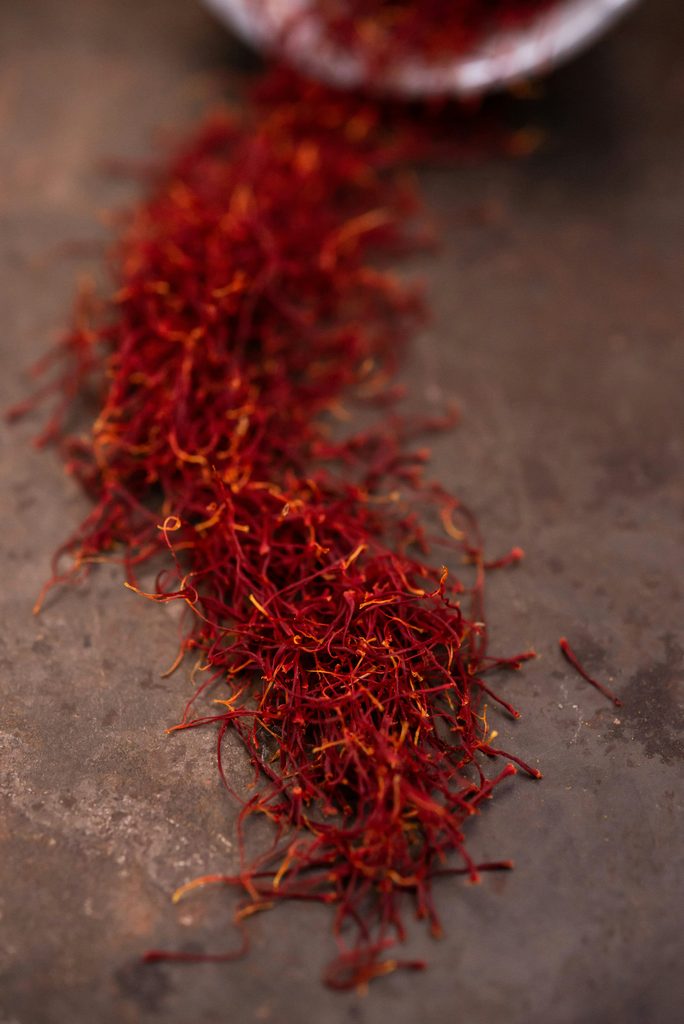
Saffron comes from the Crocus sativus flower. Each flower produces just three red stigmas, which are picked by hand and dried. It takes tens of thousands of flowers to make a single pound, which explains the price tag.
Those tiny threads carry a concentrated set of plant compounds, mainly crocin, crocetin and safranal. These give saffron its colour, scent and much of its research interest.
What are the benefits of Saffron?
The benefits of saffron for mood
This is where the evidence is strongest. Several meta-analyses of randomised trials have found that saffron eases symptoms of mild to moderate depression better than placebo (2013 meta-analysis; 2018 meta-analysis). In head-to-head trials, it performed about as well as some standard antidepressants.
There are two caveats. Most trials were small and short, and many came from a handful of research groups. A 2022 umbrella review concluded that saffron may help, but should not be treated as a stand-alone treatment for depression.
Benefits of saffron for memory and the brain
In a 22-week trial of people with mild to moderate Alzheimer’s disease, 30 mg of saffron a day performed similarly to donepezil, a standard prescription drug. Side effects were similar overall, though vomiting was more common with donepezil.
The researchers themselves called this preliminary evidence. It’s promising, not proof, and no one should swap a prescribed medication for saffron.
Antioxidant support
Crocin and crocetin act as antioxidants, helping the body manage oxidative stress and inflammation. Much of this work comes from lab and animal studies. It explains why saffron is being studied more than it proves a result in people.
Hormone health and PMS
Small trials suggest saffron may ease PMS symptoms such as low mood and irritability, with effects building over a couple of cycles. The research base here is small, so treat it as early.
Other areas being studied
Researchers are also looking at saffron for:
- eye health, including age-related macular degeneration
- appetite and snacking
- heart health markers such as cholesterol
These studies are small and early, and results are mixed. They’re worth watching, not worth building a routine around yet.
Saffron and ADHD: What we know so far
This is one of the newest areas of saffron research, and I follow it closely.
- In a trial of 70 children and teens with ADHD, those taking methylphenidate (MPH) plus saffron had lower symptom scores after four weeks than those on MPH alone.
- In a six-week trial of 54 children, saffron alone (20 to 30 mg a day) performed similarly to methylphenidate.
- In a trial of 56 adults with ADHD, adding saffron to MPH improved symptoms more than MPH with placebo.
- A more recent trial in children found that parents reported fewer hyperactive and impulsive symptoms when saffron was added to MPH. Objective memory tests changed very little.
These are small, short trials, and larger and longer studies are still needed.
As someone with ADHD, I want to be clear: saffron is not a substitute for prescribed ADHD medication. It may one day be a useful complement, but only with your prescriber’s input. That matters even more for children.
How to use Saffron safely
How much was used in the studies
Most clinical trials used 30 mg of saffron extract a day, often split into two 15 mg doses, for up to around 22 weeks. Longer-term safety hasn’t been well studied.
More is not better. Doses of around 5 grams a day and above have been linked to serious side effects, and much higher amounts can be dangerous. The pinch you use in cooking is a tiny fraction of that.
Who should avoid saffron supplements
- Pregnant women: high doses may stimulate uterine contractions.
- Breastfeeding women, as there isn’t enough safety data.
- Anyone allergic to saffron.
- Anyone taking antidepressants, blood thinners or blood pressure medication, unless their doctor approves it.
- Anyone with bipolar disorder, unless their doctor approves it.
Choosing quality saffron
Because saffron is so costly, it is often diluted or faked. Buy supplements from brands that use third-party testing and name the extract and amount on the label.
And before starting any new supplement, talk to your healthcare provider, especially if you take medication or live with a health condition.
Bringing saffron into your kitchen
You don’t need a capsule to enjoy saffron. A few threads steeped in warm water or milk add a golden colour and floral warmth to rice, soups, stews and baking. It’s one of the oldest ways to bring this plant medicine into everyday life.
The bottom line on the benefits of Saffron
Saffron’s move from ancient remedy to clinical trial is a good example of traditional plant wisdom meeting modern research. The strongest evidence so far is for mild to moderate low mood. Early findings for memory, ADHD and PMS are promising. None of it replaces medical care, but it’s a fascinating area to follow.
If you’re into herbs, hormones, and seeing the body as a smart messenger, that’s what we explore in the community. It’s free, it’s where I share this research as it comes in, and it’s the easiest way to see if this way of thinking about your health is for you.
Download the app for free.
Editor’s note: The information in this article, as well as all content produced and shared by Ivy Chan Wellness, including programs, memberships, and downloadables, are provided for informational and educational purposes only. They are not a substitute for professional medical advice, diagnosis, or treatment.







Comments +