



Did you know there’s a spice that’s called “red gold”? Yep. Otherwise known as Saffron. And it’s called “red gold” because of its amazing health benefits. This article explores how saffron may boost mood, improve brain function, and help manage ADHD. Saffron is rich in antioxidants. It may help ease depression, improve memory, and support heart and eye health. Recent studies show it may enhance traditional ADHD treatments and reduce symptoms.
Here are safe usage tips, correct dosages, and ways to add this golden spice to your wellness routine. Learn why saffron is gaining attention in holistic health circles and how it might positively impact your life.
The Golden Spice That Could Transform Your Health
You may have seen in my recent Instagram stories that I’ve been excited to share about the health benefits of saffron. The response from our community has been overwhelming, with many of you asking for more details. That’s why I’ve decided to dive deeper into this fascinating topic in this blog post.
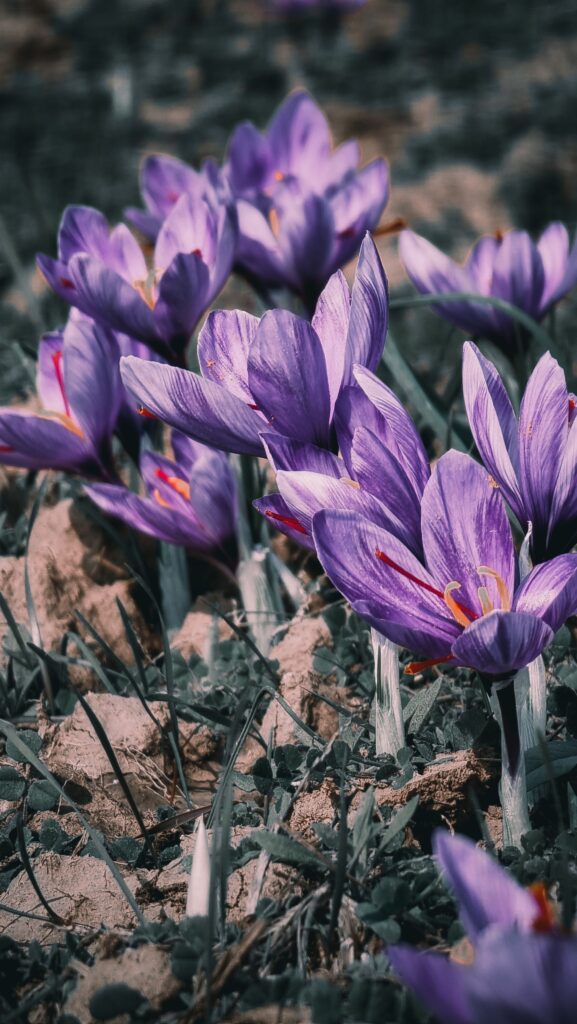
Saffron, often called “red gold,” is more than a vibrant culinary spice. This exquisite ingredient, derived from the Crocus sativus flower, has been treasured for centuries for its unique flavour, colour, and impressive health benefits. Let’s dive deep into the world of saffron, exploring its potential to enhance your well-being and possibly even support those dealing with conditions like ADHD.
The Magic of Saffron: What Makes It Special?
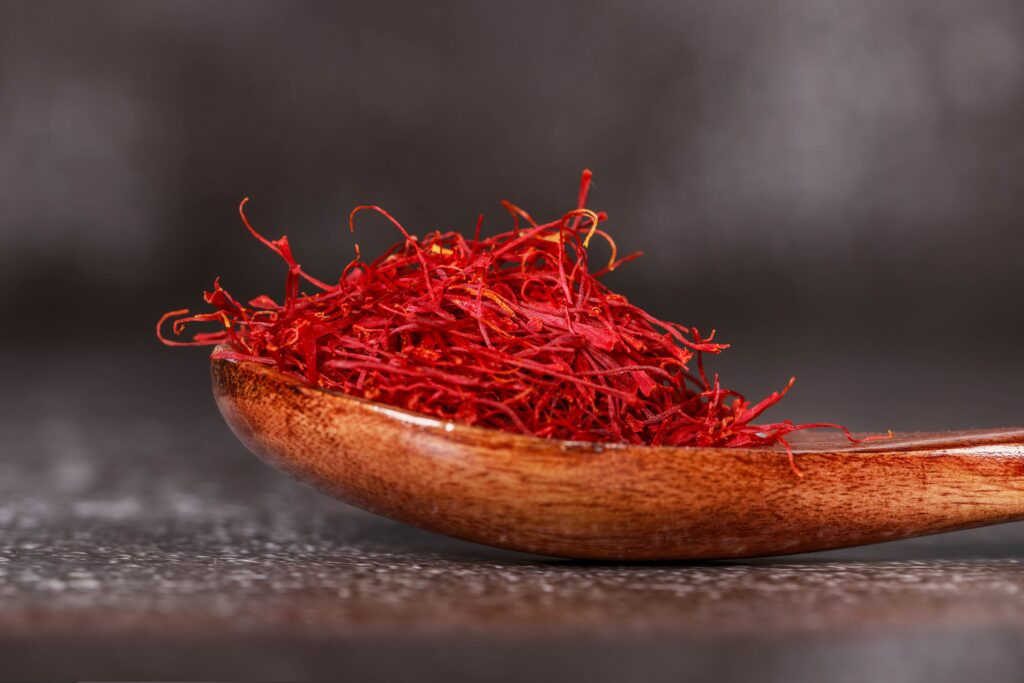
Saffron’s rarity and labour-intensive harvesting process make it one of the world’s most expensive spices. Each saffron crocus flower produces only three red stigmas, which must be carefully hand-picked and dried. This meticulous process results in a spice that’s not only flavorful but also packed with potent bioactive compounds.
The Health Benefits of Saffron: A Golden Opportunity
- Mood Enhancement: Feeling blue? Saffron might be the natural mood booster you’ve been seeking. Saffron is becoming more popular, along with Ginkgo Biloba and Lemon Balm. People are drawn to it for its possible health benefits, like antidepressant effects. Studies show that saffron may ease symptoms of depression and anxiety. Some research even suggests it might work as well as certain prescription antidepressants.
- Cognitive Function: Saffron is an herbal nootropic. It has shown promise in enhancing cognitive function, including improving short-term memory. Some studies suggest it might improve symptoms of mild to moderate Alzheimer’s disease. This could be similar to Donepezil, but without the side effects.
- Antioxidant Powerhouse: Saffron is packed with antioxidants like crocin and crocetin. They help shield your body from oxidative stress and inflammation. This antioxidant action is at the heart of many of saffron’s health benefits.
- Eye Health: Your vision might benefit from saffron too. Research suggests saffron can improve vision and may protect against age-related macular degeneration.
- Weight Management: If you’re watching your weight, saffron could be a helpful ally. Some studies show that saffron might help cut appetite. It may also boost feelings of fullness, which could help with weight loss.
- Heart Health: Saffron has been shown to have a positive impact on heart health markers. It may help lower cholesterol levels and reduce the risk of heart disease.
- Skin Health: Saffron might be your skin’s new best friend. It has a lot of vitamin C and glutathione. These nutrients fight free radical damage that contributes to premature ageing and skin dullness.
- Digestive Aid: Saffron may help against gastrointestinal tract disorders. It may help soothe digestive discomfort by promoting blood flow to the digestive system and coating the gut to calm inflammation.
- Hormone Health: For those dealing with PMS symptoms, saffron has shown promise as an effective treatment, with benefits increasing over time.
Saffron and ADHD: A New Frontier?
One of the most exciting areas of saffron research is its potential impact on ADHD symptoms. While more studies are needed, initial findings are promising:
- A 2021 study found that using methylphenidate (MPH) with saffron works better for ADHD patients than either treatment alone. This combined approach may reduce the duration of therapy and improve overall effectiveness.
- A recent review of clinical studies found that saffron is effective for ADHD. It works well both with MPH and on its own, and there are no major safety concerns.
As someone with ADHD, I want to emphasize this: these results are promising, but saffron isn’t a substitute for prescribed ADHD medications. Always consult a healthcare provider first. It can be seen as a possible complementary therapy, but only after talking to your healthcare provider.
Using Saffron Safely
If you’re considering adding saffron to your wellness routine, keep these points in mind:
- Dosage: Typical dosages range from 30 mg to 100 mg daily, standardized to contain 1.5% crocin.
- Quality Matters: Ensure you’re using high-quality, well-researched supplements.
- Consult a Professional: Herbs are effective! Always talk to your healthcare provider before starting any new supplement. This is especially important if you take medications or have health conditions.
Who Should Avoid Saffron:
- Pregnant or breastfeeding women
- People allergic to saffron or similar plants
- Individuals with specific medical conditions
Incorporating Saffron into Your Life
You can enjoy saffron’s benefits not just through supplements, but also by adding it to your cooking. A little goes a long way – just a few threads can add a beautiful golden hue and unique flavour to rice dishes, soups, and baked goods.
The Future of Saffron Research
As interest in natural remedies grows, we can expect to see more research into saffron’s potential health benefits. Saffron is becoming a spice to watch in holistic health. It could impact mood and cognition. Also, it may help with ADHD management.
What you can do today
Saffron’s journey from ancient medicinal use to modern scientific study is a testament to the enduring power of natural remedies. More research is needed to understand its full potential. Still, current evidence shows that this golden spice may be a great addition to a healthy lifestyle.
There’s a reason saffron keeps showing up in the research on mood, memory, and hormone health. The compounds are doing real biochemical work, not just folklore.
If you’re into herbs, hormones, and seeing the body as a smart messenger, that’s what we explore in the community. It’s free, it’s where I share this research as it comes in, and it’s the easiest way to see if this way of thinking about your health is for you.
Download the app- for free.
Editor’s note: The information in this article, as well as all content produced and shared by Ivy Chan Wellness, including programs, memberships, and downloadables, are provided for informational and educational purposes only. They are not a substitute for professional medical advice, diagnosis, or treatment.









Comments +