



What if the cheapest tool for lowering your glucose response was already in your freezer?
Resistant starch is a carbohydrate. It avoids digestion in the small intestine and goes to the gut instead. So it acts more like fibre than sugar. Cooling and reheating common foods like rice, potatoes, and bread can help. This method softens your glucose spike and costs you nothing. Here’s the science behind the cool-carbs challenge, and how to try it yourself.
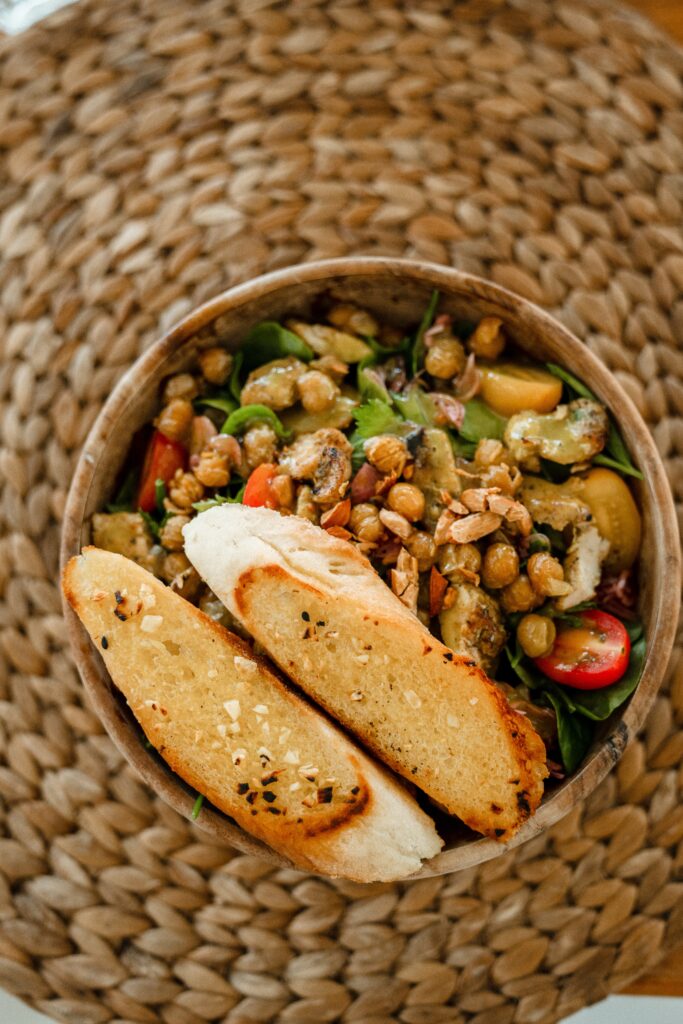
What are resistant starches?
To understand resistant starches, we first need to examine regular starches. Starches are complex carbohydrates found in many foods, particularly grains and vegetables. When we eat foods with regular starches, our body breaks them down into simple sugars. Then, these sugars enter our bloodstream.
Resistant starches are a special kind of starch. They resist digestion in the small intestine. Instead of being broken down and absorbed, they pass through to the large intestine (colon), where they act more like dietary fibre. This resistance to digestion gives these starches their name and unique properties.
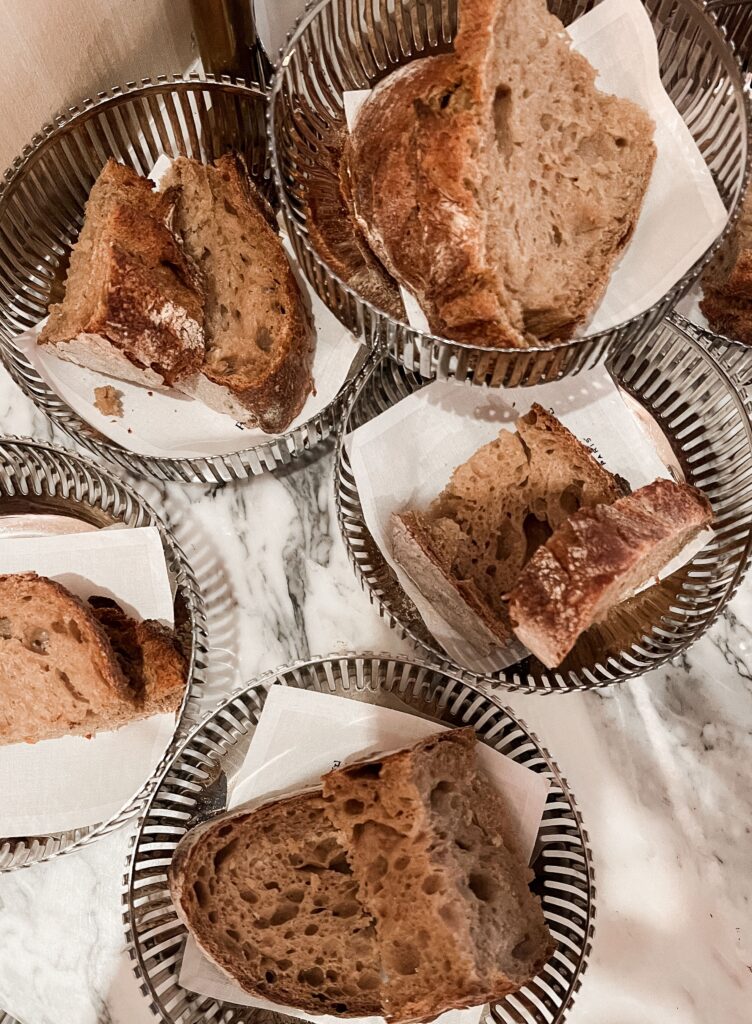
The science of starch transformation
The journey from regular to resistant starch is fascinating, involving intriguing food chemistry. Let’s break it down:
- Gelatinization: When you cook starchy foods in water, the starch granules soak up water and swell. This process, known as gelatinization, makes the starches easier to digest. In bread-making, the oven’s heat makes the flour’s starch expand and gelatinize. This process helps create the soft, fluffy texture we enjoy.
- Retrogradation: Here’s where it gets interesting. When these gelatinized starches are cooled, they undergo a process called retrogradation. As starch molecules come together, they form tight structures. These are harder to digest and are called resistant starch.
- Temperature Effects: The rate and extent of retrogradation depend on temperature. Freezing is particularly effective at promoting resistant starch formation. The rate of starch contraction is nearly twice as fast in the freezer as in the refrigerator, leading to more resistant starch formation.
why the freezer helps your glucose
Now that we understand the basic science let’s look at how this applies to the trend of freezing bread. When you freeze a loaf of bread, several things happen:
- The starches in the bread quickly change back to a solid form when frozen.
- This process increases the amount of resistant starch in the bread.
- Freezing keeps water in the bread. This helps it stay fresher and softer. In contrast, storing bread in the fridge makes it lose water and go stale faster.
the health benefits of resistant starch
So, why should we care about resistant starch? This unique carbohydrate may provide several health benefits:
- Blood Sugar Control: A key benefit of resistant starch is how it impacts blood sugar levels. The small intestine doesn’t break down resistant starch. So, it doesn’t cause a quick spike in blood sugar like regular starches. This is especially helpful for people with diabetes or those managing their weight.
- Improved Insulin Sensitivity: Some studies show that resistant starch can boost insulin sensitivity. Your body gets better at using insulin to control blood sugar. This is key for good metabolic health.
- Gut Health: When resistant starch reaches the large intestine, it becomes food for our gut bacteria. These beneficial microbes ferment the resistant starch, producing short-chain fatty acids (SCFAs). SCFAs are linked to several health benefits. They can improve gut health and might lower the risk of colon cancer.
- Increased Satiety: Foods high in resistant starch may help you feel fuller for longer. This could aid in weight management by reducing overall calorie intake.
- Potential Cholesterol-Lowering Effects: Some studies suggest SCFAs from gut bacteria can lower cholesterol. They come from fermenting resistant starch. This could lead to better heart health.
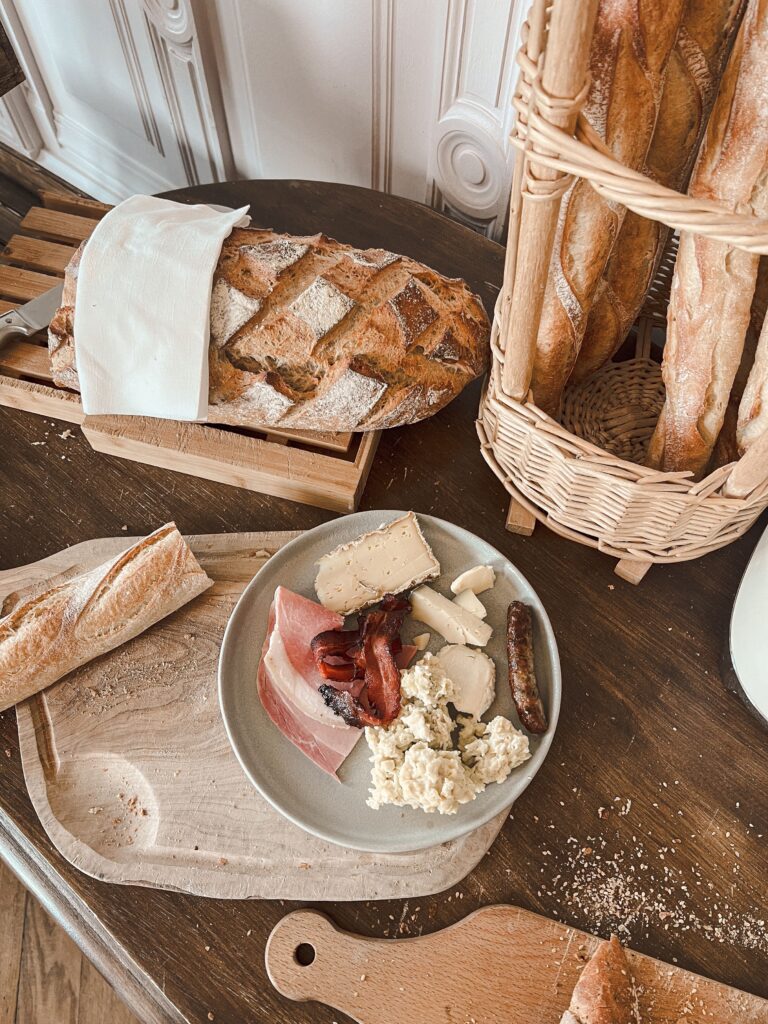
the bread experiment: what the research says
A small study with ten healthy people looked at how freezing bread changes blood sugar. It also checked the effects of toasting bread. Here’s what they found:
- For homemade bread, freezing and thawing reduced the blood sugar spike by 31% over two hours.
- Toasting fresh bread also lowered the rise in glucose by 25%.
- Freezing, thawing, and toasting homemade bread made a big difference. It cut the blood sugar response by 39%.
These effects weren’t seen with store-bought white bread. This might be because of different ingredients or processing methods in commercial bread.
other sources of resistant starch
The freezing bread trend highlights resistant starch, but many other foods also have it or can create it. These include:
- Cooked and Cooled Potatoes: Some starch converts to resistant starch when potatoes are cooked and then cooled.
- Legumes: Beans, lentils, and peas are excellent sources of resistant starch.
- Green Bananas: Unripe bananas contain high levels of resistant starch, which decreases as the banana ripens.
- Cooked and Cooled Rice: Like potatoes, rice that has been cooked and then cooled contains more resistant starch. Interestingly, basmati rice forms more resistant starch than fluffier types of rice.
- Cooked and Cooled Pasta: The same idea works for pasta. Cooking and cooling it boosts its resistant starch content.
practical tips to incorporate resistant starch into your diet
If you’re interested in increasing your intake of resistant starch, here are some practical tips:
- Cook in Advance: Prepare starchy foods like potatoes, rice, or pasta ahead of time and allow them to cool in the refrigerator before eating.
- Freeze Your Bread: If you’re a bread lover, try freezing your bread and toasting it before eating.
- Add Beans to Your Diet: Incorporate more legumes into your meals. They’re a great source of resistant starch and provide protein and other nutrients.
- Try Green Banana Flour: This flour is high in resistant starch and can be used in baking or added to smoothies.
- Don’t Overcook: Pasta or potatoes cooked al dente are firmer. They have more resistant starch than those that are fully cooked.

what this actually means for your glucose
Freezing bread to make it healthier may seem like a miracle, but it’s important to keep things in perspective. Resistant starch influences blood sugar and insulin. This effect lasts just a few hours after eating. The long-term effects on appetite, weight management, and type 2 diabetes are still unclear. They may be small.
However, that doesn’t mean resistant starch isn’t worth considering as part of a healthy diet. The potential benefits for gut health, blood sugar control, and overall metabolic health are promising. Plus, freezing bread reduces food waste by extending the life of your loaf.
As with any aspect of nutrition, consider resistant starch as part of a broader, balanced diet. Freezing your bread or cooling your potatoes won’t instantly improve your health. However, adding resistant starch to your diet can be a helpful strategy.
Remember, nutrition science is complex and constantly evolving. What works for one person might not work for another. Talk to a healthcare professional before changing your diet. A registered dietitian can help too.
So, the next time you’re about to throw out that slightly stale loaf of bread, consider popping it in the freezer instead. You may be doing your gut (and your wallet) a favour!
Small shifts like this are exactly what we track and unpack in the community: the research as it comes in, plus simple ways to use it. The app is free to download, and it’s the easiest way to see if this way of thinking about your health is for you.








Comments +