

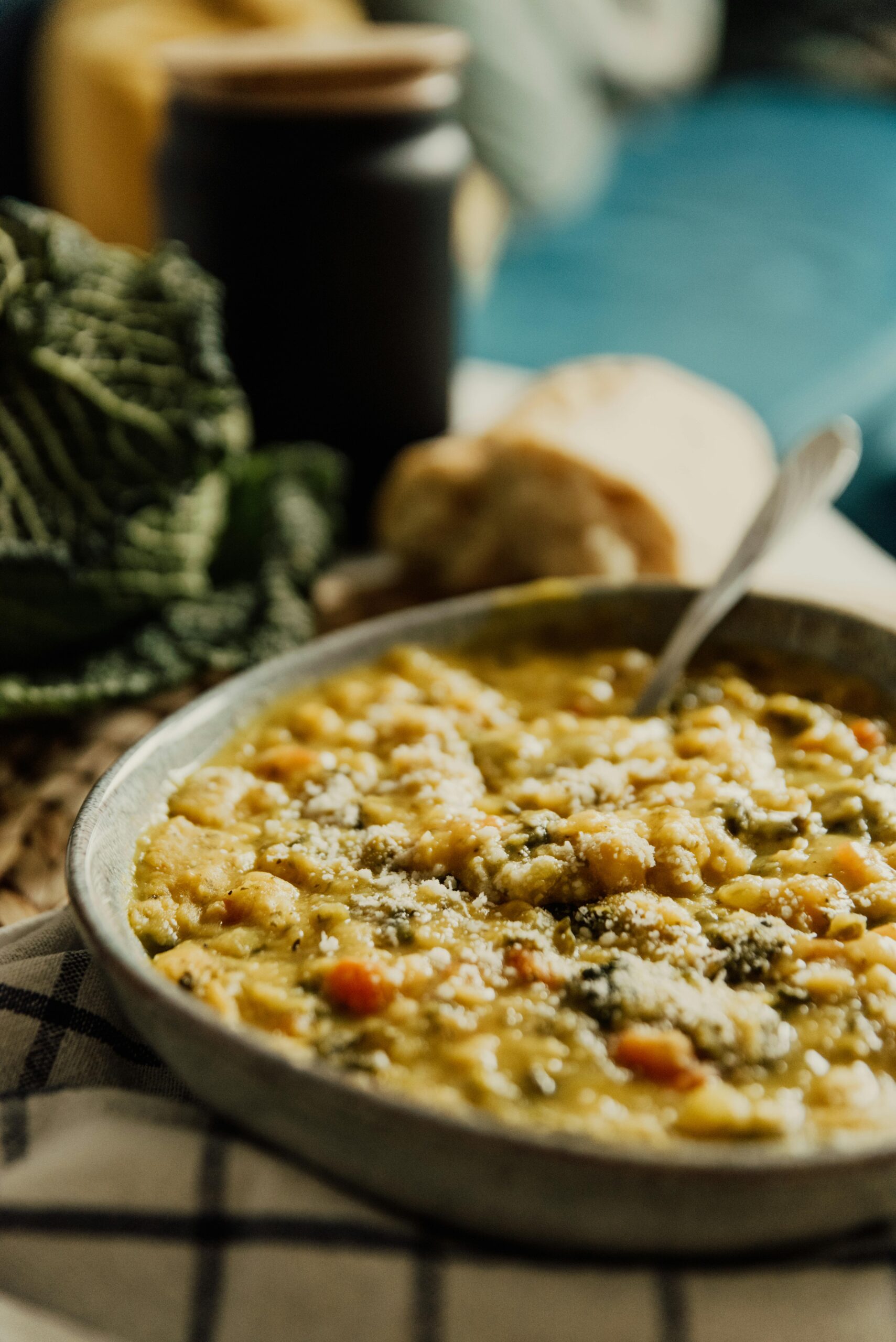

Food can be medicinal and pleasurable. These are not competing ideas. The most nourishing meal is the one eaten with genuine appetite, in a body that feels safe enough to digest, with enough ease and enjoyment that the nervous system stays out of the way. All the anti-inflammatory recipes in the world will not be healing if you are eating them in a state of anxious restriction.
That said, what you eat has direct, specific, measurable effects on inflammation. The food you choose either supports or disrupts the microbiome, the liver, the adrenals, and the inflammatory pathways that govern how your body feels every single day. These four recipes are not a detox or a cleanse. They are a daily practice of providing your body’s intelligence with what it needs to do what it already knows how to do. And they are genuinely delicious.
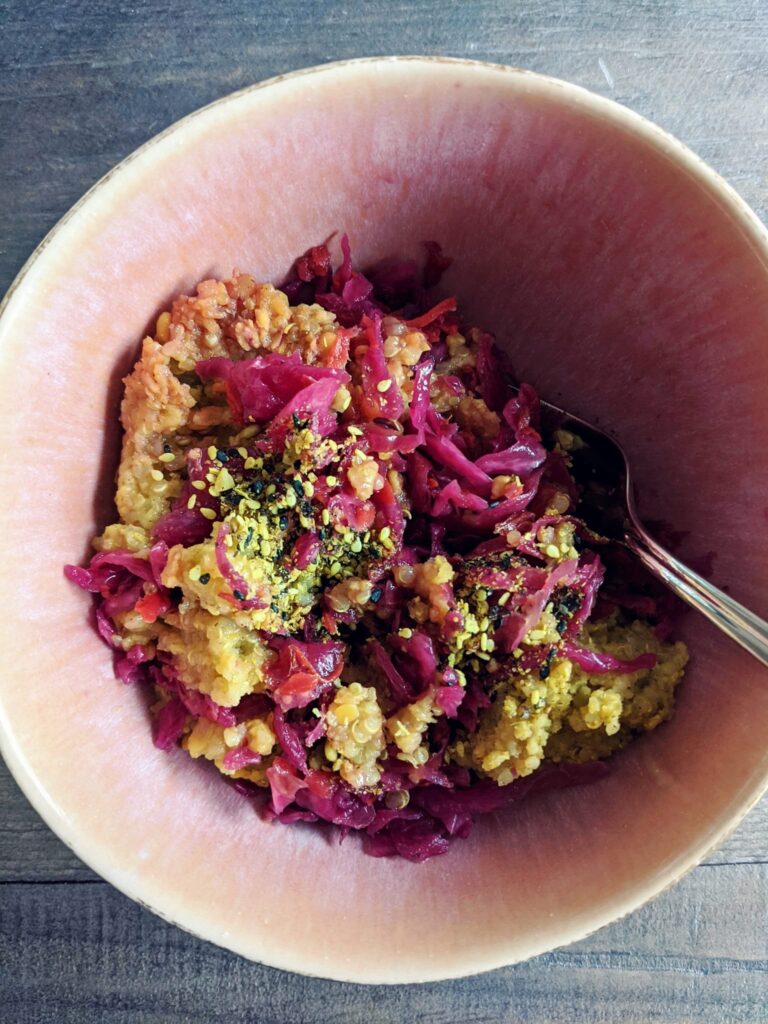
Breakfast: Golden kitchari
Kitchari — the ancient Ayurvedic staple of split mung beans and basmati rice — is perhaps the most therapeutic everyday anti-inflammatory food I know. Warming, easily digestible, and deeply nourishing. This is the bowl you come back to.
Why it works:
Turmeric contains curcumin, one of the most extensively studied anti-inflammatory compounds available — with over 3,000 peer-reviewed studies documenting its ability to inhibit the NF-kB pathway, the master switch of the inflammatory response. Adding black pepper to turmeric helps absorption. Ginger reduces inflammatory cytokines and supports gut motility. Mung beans are among the highest-fibre legumes available, feeding the beneficial gut bacteria that regulate inflammation throughout the body. Ghee provides butyrate, a short-chain fatty acid that heals the gut lining and reduces intestinal inflammation at the source.
Serves 2
Ingredients:
- ½ cup split yellow mung dal
- ½ cup basmati rice
- 2 tbsp ghee or coconut oil
- 1 tsp cumin seeds
- 1 tsp mustard seeds
- 1 tsp ground coriander
- ½ tsp turmeric
- ¼ tsp black pepper
- 1 generous knob fresh ginger, grated
- 4 cups water or vegetable broth
- Salt
- Lemon to serve
Method:
1. Rinse the dal and rice thoroughly until the water runs clear.
2. Warm the ghee in a heavy pot over medium heat. Add the cumin seeds, mustard seeds, coriander, turmeric, black pepper, and ginger. Toast for 60 seconds, stirring constantly, until fragrant.
3. Add the dal and rice and stir well to coat in the spiced ghee.
4. Pour in the water or broth. Bring to a boil, then reduce to a low simmer. Cook for 30–40 minutes, stirring occasionally, until completely soft and porridge-like. Add more water if needed.
5. Season with salt. Serve with a generous squeeze of lemon.
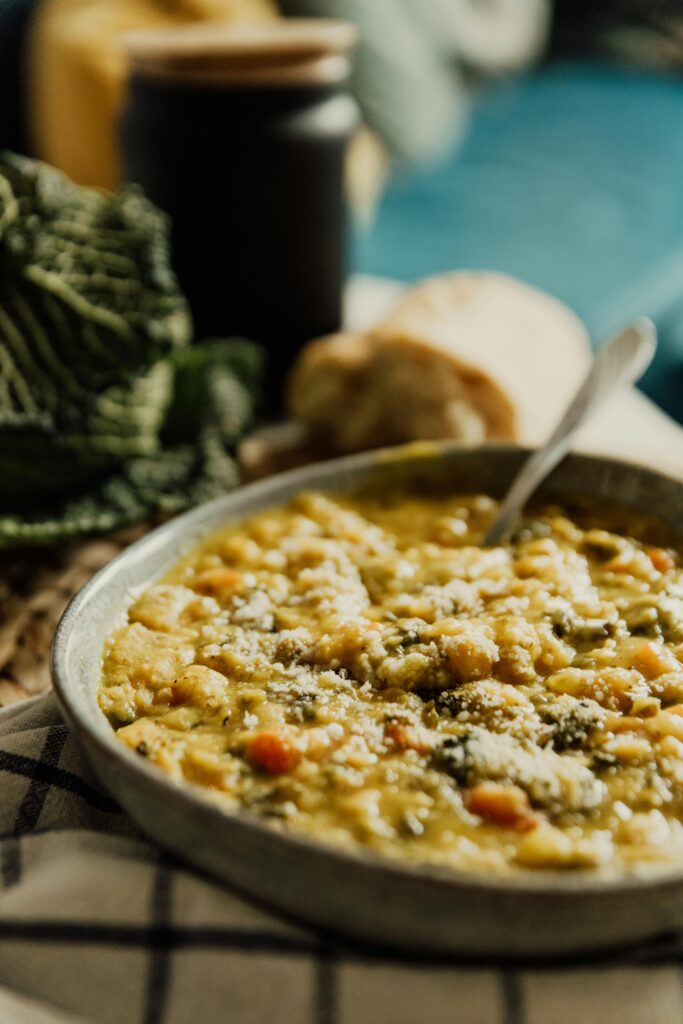
Lunch: Saffron and turmeric lentil soup
This is the soup that converts people. Rich, golden, and complex — and one of the most quietly powerful anti-inflammatory meals you can make. Saffron alone is worth the price of admission.
Why it works:
Saffron contains crocin and safranal — compounds shown in randomised controlled trials to reduce inflammatory cytokines and lower cortisol. It is one of the most underused therapeutic plants in the Western kitchen. Red lentils are rich in folate, magnesium, zinc, and iron — micronutrients consistently depleted by chronic inflammation and essential for the body’s own anti-inflammatory repair processes. Turmeric and black pepper, again, because they earn their place in every anti-inflammatory meal.
Serves 4
Ingredients:
- 1 cup lentils
- 1 large onion, diced
- 4 garlic cloves, minced
- 1 can whole tomatoes
- 4 cups vegetable stock
- Generous pinch saffron
- 1 tbsp warm water
- ½ tsp turmeric
- 1 tsp cumin
- 1 tsp coriander
- Black pepper
- 2 tbsp olive oil
- Lemon
- Fresh flat-leaf parsley to serve
Method:
1. Bloom the saffron: combine with 1 tbsp of warm water and set aside for 5 minutes.
2. Heat the olive oil in a large pot over medium heat. Add the onion and cook for 5–7 minutes until softened. Add the garlic, cumin, and coriander and cook for a further 2 minutes.
3. Add the lentils, tomatoes, stock, bloomed saffron, turmeric, and black pepper. Stir to combine.
4. Bring to a boil, then reduce to a simmer. Cook for 25 minutes until the lentils are fully soft.
5. Partially blend with a hand blender — you want some texture remaining, not a fully smooth soup.
6. Finish with a squeeze of lemon. Serve warm, topped with fresh parsley.
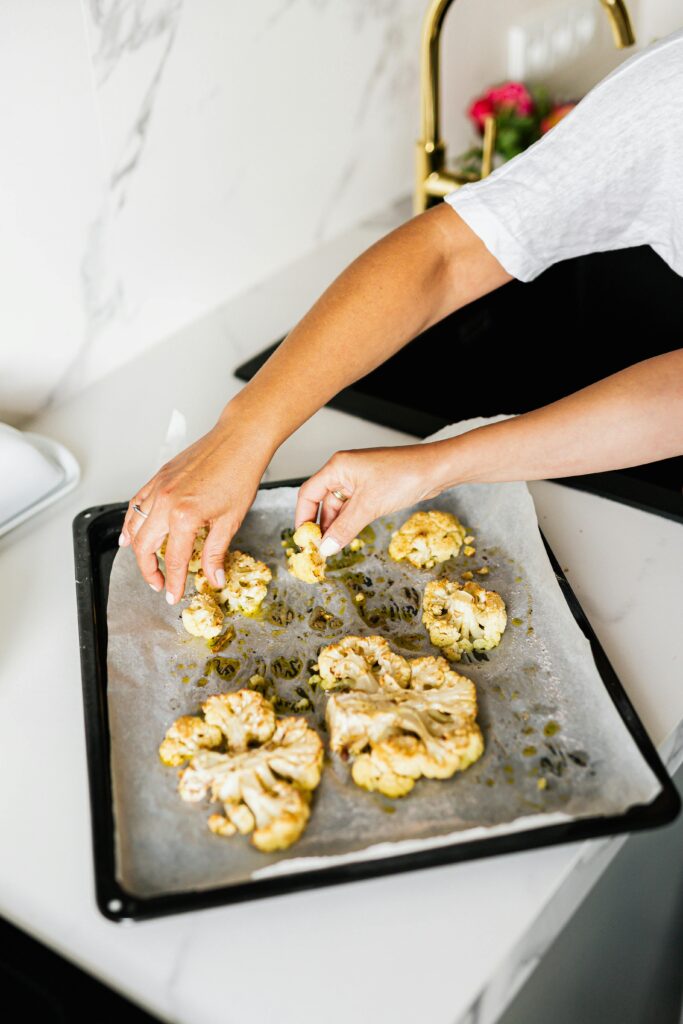
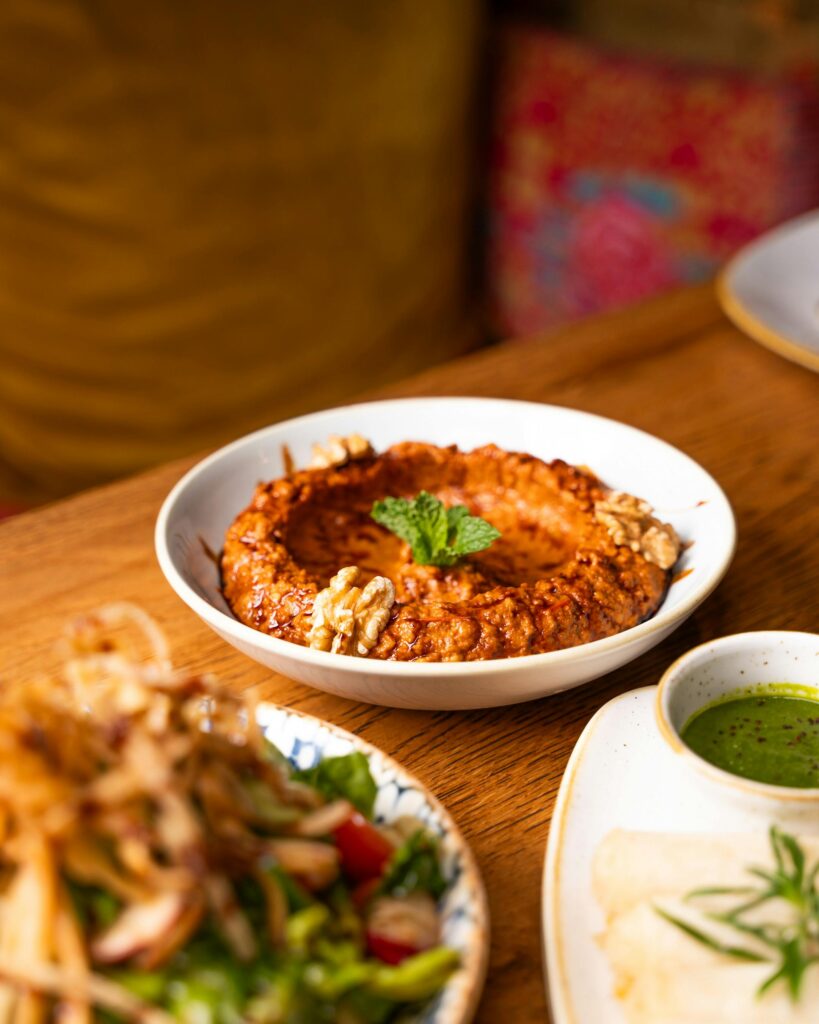
Dinner: Roasted cauliflower steaks with pomegranate walnut muhammara
This is the recipe I am most proud of in this collection. The muhammara — a West Asian roasted red pepper and walnut sauce from my own culinary heritage — is extraordinary on its own. Against caramelised cauliflower and pomegranate seeds, it becomes a meal that has nothing to apologise for. Deeply anti-inflammatory. Deeply satisfying. Not a wellness recipe that tastes like wellness.
Why it works:
Walnuts are one of the richest plant sources of ALA omega-3 fatty acids and ellagitannins — polyphenolic compounds that directly inhibit the NF-kB inflammatory pathway. Cauliflower contains sulforaphane, one of the most potent anti-inflammatory compounds in nutritional science, with an exceptional evidence base for reducing systemic inflammation. Pomegranate is rich in punicalagins and anthocyanins — antioxidant compounds shown to reduce CRP, the primary blood marker of systemic inflammation. Olive oil provides oleocanthal, a compound with anti-inflammatory mechanisms remarkably similar to ibuprofen.
Serves 2
For the muhammara:
- 2 roasted red peppers
- ½ cup toasted walnuts
- 2 tbsp pomegranate molasses
- 1 garlic clove
- ½ tsp cumin
- Pinch Aleppo pepper or smoked paprika
- 1 tbsp olive oil
- Salt
For the cauliflower:
- 1 whole head cauliflower
- Olive oil
- Salt
- 1 tsp cumin
- 1 tsp smoked paprika
To serve:
- Handful pomegranate seeds
- Fresh flat-leaf parsley
- Brown rice or warm flatbread
Method:
1. Make the muhammara: blend all muhammara ingredients until smooth with a little texture remaining. Taste and adjust salt. Set aside.
2. Preheat the oven to 220°C / 425°F.
3. Slice the cauliflower into thick steaks (roughly 2–3 per head, keeping the core intact). Brush generously on both sides with olive oil and season with salt, cumin, and smoked paprika.
4. Roast for 25 minutes, flipping once halfway, until deeply golden and caramelised at the edges.
5. Spread a generous layer of muhammara onto each plate. Place the cauliflower steaks on top. Scatter with pomegranate seeds and fresh parsley. Serve with brown rice or warm flatbread.
Evening drink: Ashwagandha golden milk
The simplest recipe here and, in some ways, the most powerful. I come back to it every evening. Anti-inflammatory, deeply calming to the nervous system, and it tastes like something you would order in a very good café.
Why it works:
Ashwagandha has been shown in multiple randomised controlled trials to reduce cortisol by 15–25% — and chronically elevated cortisol is one of the primary drivers of systemic inflammation. Turmeric with black pepper for curcumin and bioavailability. Cardamom is a potent anti-inflammatory spice with additional digestive benefits. Full-fat milk provides the dietary fat that makes fat-soluble curcumin actually absorbable by the body.
Serves 1
Ingredients:
- 1 cup plant-based milk
- 1 tsp turmeric
- ½ tsp ashwagandha powder
- ¼ tsp cardamom
- Pinch black pepper
- ½ tsp raw honey (added off the heat) or date syrup.
Method:
1. Warm the milk in a small saucepan over low-medium heat — do not boil.
2. Whisk in the turmeric, ashwagandha, cardamom, and black pepper.
3. Remove from the heat and stir in the honey.
4. Pour into your favourite mug. Drink slowly.
Anti-inflammatory eating is most powerful when it becomes rhythmic — a daily practice that becomes the body’s expectation. Not a detox. Not a phase. A way of nourishing yourself that respects the extraordinary intelligence of the body you live in.
The Eat Real Food Program is a complete downloadable programme built on these exact principles: anti-inflammatory, Ayurvedic, evidence-based, and designed for real life.
Editor’s note: The information in this article, as well as all content produced and shared by Ivy Chan Wellness, including programs, memberships, and downloadables, are provided for informational and educational purposes only. They are not a substitute for professional medical advice, diagnosis, or treatment.









Comments +